Import & Export in Pakistan: A Practical Guide for Businesses
International trade creates opportunities for Pakistani businesses to access global suppliers, source new products, enter international markets, and develop long-term commercial partnerships.
However, importing and exporting requires careful planning. Businesses need to understand sourcing, documentation, regulatory requirements, logistics, customs procedures, transportation, and market requirements before entering an international trade transaction.
The first step is identifying the right product and reliable supplier or buyer. Businesses should evaluate product specifications, quality, pricing, quantities, commercial terms, and supplier credentials before proceeding.
Documentation is another essential part of international trade. Depending on the transaction, businesses may need commercial invoices, shipping documents, customs documentation, permits, certificates, and other regulatory paperwork.
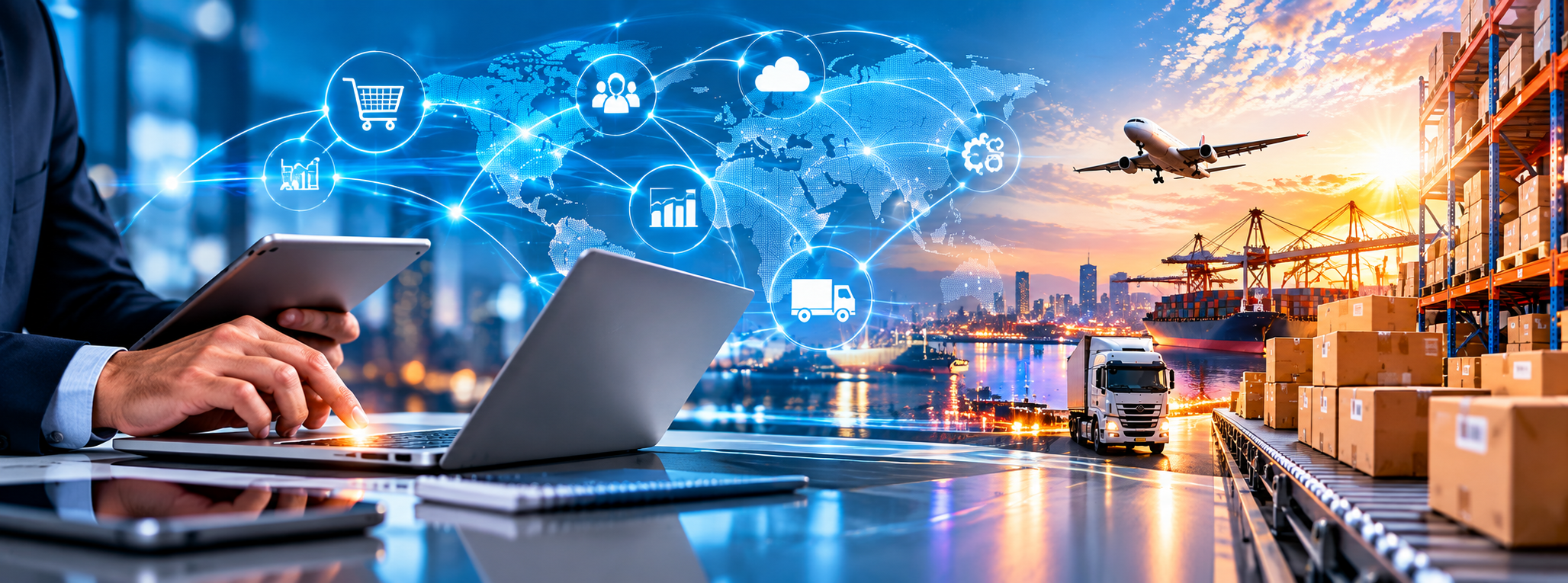
Logistics also plays a critical role. Depending on the product and destination, businesses may use ocean freight, air freight, cargo forwarding, warehousing, transportation, and local distribution services.
For businesses new to international trade, coordinating all these requirements can be challenging. Working with experienced trade and supply-chain partners can help businesses better manage the process.
ZOOMI supports businesses through sourcing, import and export activities, trade documentation, regulatory support, logistics coordination, and connections between suppliers and markets.
The company’s integrated approach brings together trading, sourcing, logistics, e-commerce, and digital business solutions. This helps businesses look at international trade as part of a complete supply chain rather than as an isolated transaction.
International trade can open significant opportunities, but sustainable growth depends on responsible sourcing, proper documentation, regulatory compliance, reliable logistics, and strong business relationships.
For Pakistani businesses looking to expand their sourcing or trading activities, the right combination of market knowledge, reliable partners, technology, and supply-chain coordination can make international commerce more manageable and scalable.